Blog #2 Inquiry Based Learning
Inquiry based learning is a way of learning where students understand things by exploring questions, solving problems, or working through real situations instead of just being given information in order. It connects to constructivism because it focuses on learners doing the thinking themselves. Instead of memorizing facts, learners try things out, see what happens, and adjust their understanding based on evidence. This also shows why learning environments are not neutral. The tools we use, how the learning is structured, and how students interact can all change what and how people learn.
One explanation I found helpful was Scott Crombie’s short YouTube video on inquiry-based learning. He explains that inquiry learning moves students from just listening and memorizing to actually exploring and asking questions. He also points out that it works better when students start with a real problem instead of being told the answer right away. This connects to my interactive learning resource on spotting misinformation online because I want learners to learn by exploring real examples, practicing how to evaluate sources, and making decisions based on evidence instead of just memorizing rules.
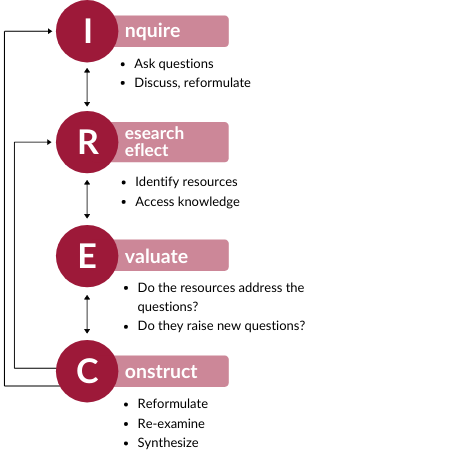
Image source from Queen’s University
In an online learning environment, inquiry can be supported with real examples, guiding questions, and short reflection check ins. For spotting misinformation online, learners could look at posts or headlines and practice deciding what seems trustworthy and why. But technology alone does not automatically make learning inquiry based. Queen’s University explains that inquiry works best when students investigate and share findings with support, not when they are just given all the answers.
To use inquiry based learning in my resource, I plan to keep it scaffolded so learners have support while they explore. Learners will start with a realistic scenario and a guiding question. From there, they will explore resources, collect evidence and test ideas through interactive tasks. I will include feedback along the way through hints, self check questions and reflection prompts so learners know if they are on the right track. Overall, my goal is to create an interactive learning environment where learners feel like they are solving a real problem instead of just completing a worksheet.
I also connected with peers while writing this. [Placeholder] and [Placeholder] helped me think about how to balance structure, tools and learner autonomy.